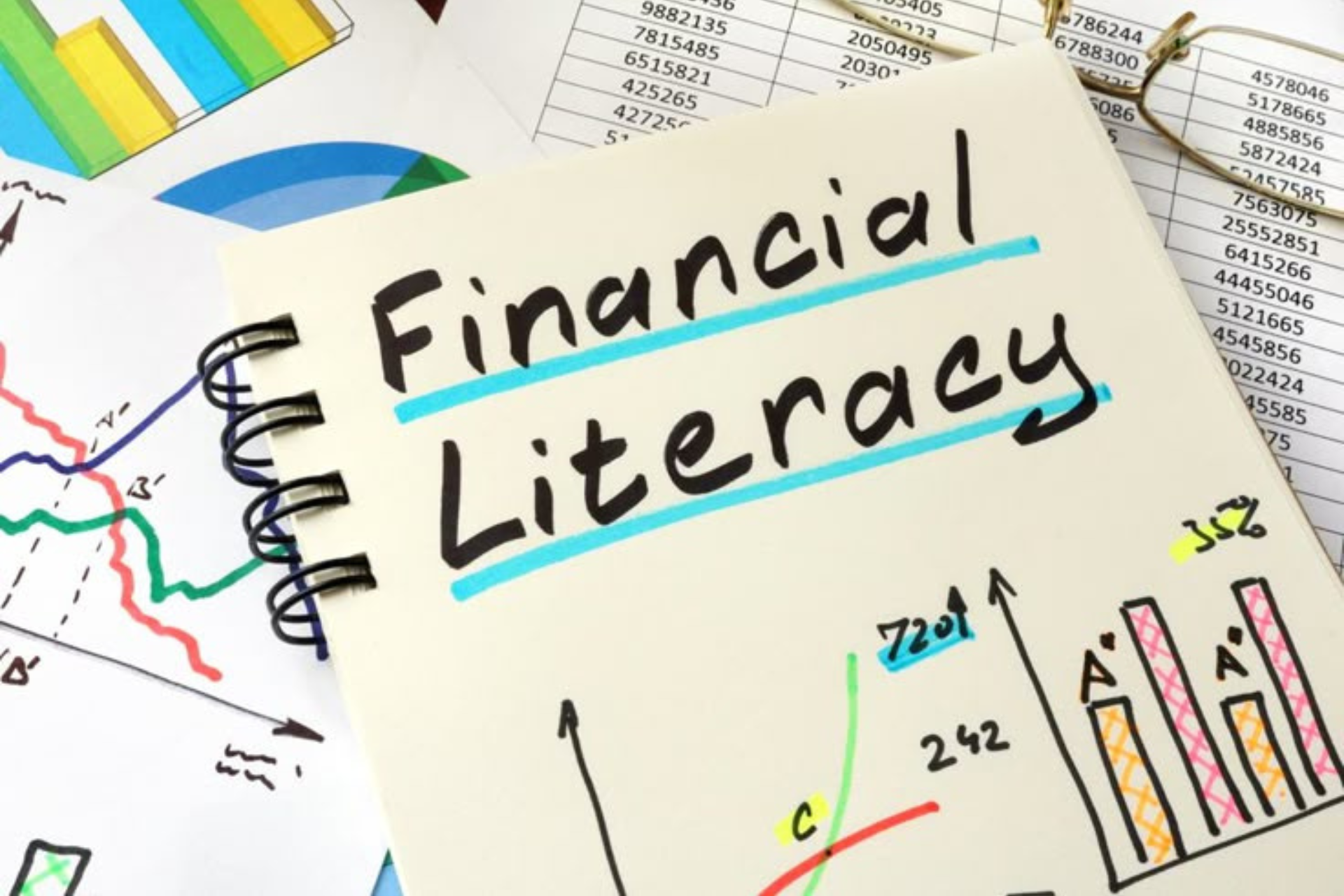
Finance Education: Your Blueprint to Smarter Money Decisions 💰📘
Money moves quietly through every part of life. From buying your first phone to planning a dream home, financial decisions shape your future more than most people realize. Yet many people grow up learning algebra, science, and history without ever learning how credit scores work, how investments grow, or how debt quietly steals wealth. That’s where finance education becomes powerful.
Finance education is the process of understanding how money works, how to manage it wisely, and how to make informed financial decisions. It transforms confusion into clarity and turns financial stress into financial confidence.
Why Finance Education Matters
Imagine driving a high-performance sports car without knowing how brakes work. That’s exactly how many people handle money today. They earn, spend, borrow, and invest without understanding the system underneath.
Financial education helps people:
- Build healthy saving habits
- Avoid unnecessary debt
- Understand investments
- Create long-term wealth
- Prepare for emergencies
- Plan retirement confidently
- Improve financial independence
A financially educated person doesn’t just earn money. They make money work intelligently.
The Core Areas of Finance Education
1. Budgeting and Money Management
Budgeting is the foundation of personal finance. It helps track income, expenses, and savings goals.
Good budgeting teaches you to:
- Control spending habits
- Reduce financial stress
- Save consistently
- Avoid overspending
Popular budgeting methods include:
- 50/30/20 Rule
- Zero-Based Budgeting
- Envelope System
A budget is not a restriction. It’s a roadmap for freedom.
2. Saving and Emergency Funds
Life rarely sends calendar invites before financial emergencies arrive. Medical expenses, job loss, or unexpected repairs can disrupt anyone’s finances.
An emergency fund acts like a financial safety shield.
Experts often recommend saving:
- 3 to 6 months of living expenses
- In a liquid and easily accessible account
Small savings built consistently can create massive stability over time.
3. Understanding Credit and Debt
Credit cards, loans, and EMIs can either build opportunities or create financial traps.
Finance education teaches:
- How interest rates work
- The importance of credit scores
- Good debt vs bad debt
- Strategies to repay loans faster
A low-interest education loan may help build a career. High-interest credit card debt, however, can quietly snowball into a financial storm cloud 🌩️
4. Investing for the Future
Saving protects money. Investing grows it.
Investments help combat inflation and build wealth over time. Financial education introduces people to:
- Stocks
- Mutual Funds
- Bonds
- ETFs
- Real Estate
- Retirement Accounts
One of the most powerful concepts in investing is compound growth.
Even small investments started early can grow dramatically over time. Time in the market often matters more than timing the market.
5. Financial Goal Planning
Finance education helps people create realistic short-term and long-term goals such as:
- Buying a home
- Starting a business
- Traveling the world
- Children’s education
- Early retirement
Clear financial planning transforms dreams from vague wishes into achievable milestones.
Benefits of Financial Literacy
People with strong financial knowledge often experience:
- Better money management
- Reduced stress
- Higher savings rates
- Smarter investment decisions
- Greater financial confidence
Financial literacy also improves society by encouraging responsible borrowing, entrepreneurship, and economic stability.
Finance Education for Students
Learning money management early creates lifelong advantages. Students who understand finance can:
- Avoid student debt mistakes
- Start investing early
- Build strong credit habits
- Develop entrepreneurial thinking
Schools are increasingly recognizing that financial literacy is as important as traditional academics.
The Digital Era of Finance Learning 📱
Technology has made finance education more accessible than ever.
People can now learn through:
- Finance podcasts
- YouTube channels
- Investment apps
- Online courses
- Budgeting tools
- Financial blogs
Modern finance education feels less like reading dusty textbooks and more like unlocking a real-world strategy game where every decision affects your future scoreboard.
Common Financial Mistakes to Avoid
Without financial education, many people:
- Spend more than they earn
- Ignore savings
- Depend heavily on credit cards
- Invest without research
- Lack retirement planning
Awareness is the first step toward avoiding these financial pitfalls.