Credit Score & Borrowing: The Silent Engine Behind Your Financial Life
Your credit score is like a financial passport. Invisible to most people, but instantly scanned by banks, lenders, and financial institutions before they decide whether to trust you with money. A strong score can unlock lower interest rates, faster loan approvals, premium credit cards, and even better rental opportunities. A weak score can quietly drain your wallet through higher EMIs and rejected applications.
In today’s digital finance ecosystem, understanding credit scores and borrowing is no longer optional. It is a core life skill.
What is a Credit Score?
A credit score is a three-digit number that represents your creditworthiness. In simple terms, it tells lenders how responsibly you manage borrowed money.
In India, credit scores generally range between 300 and 900.
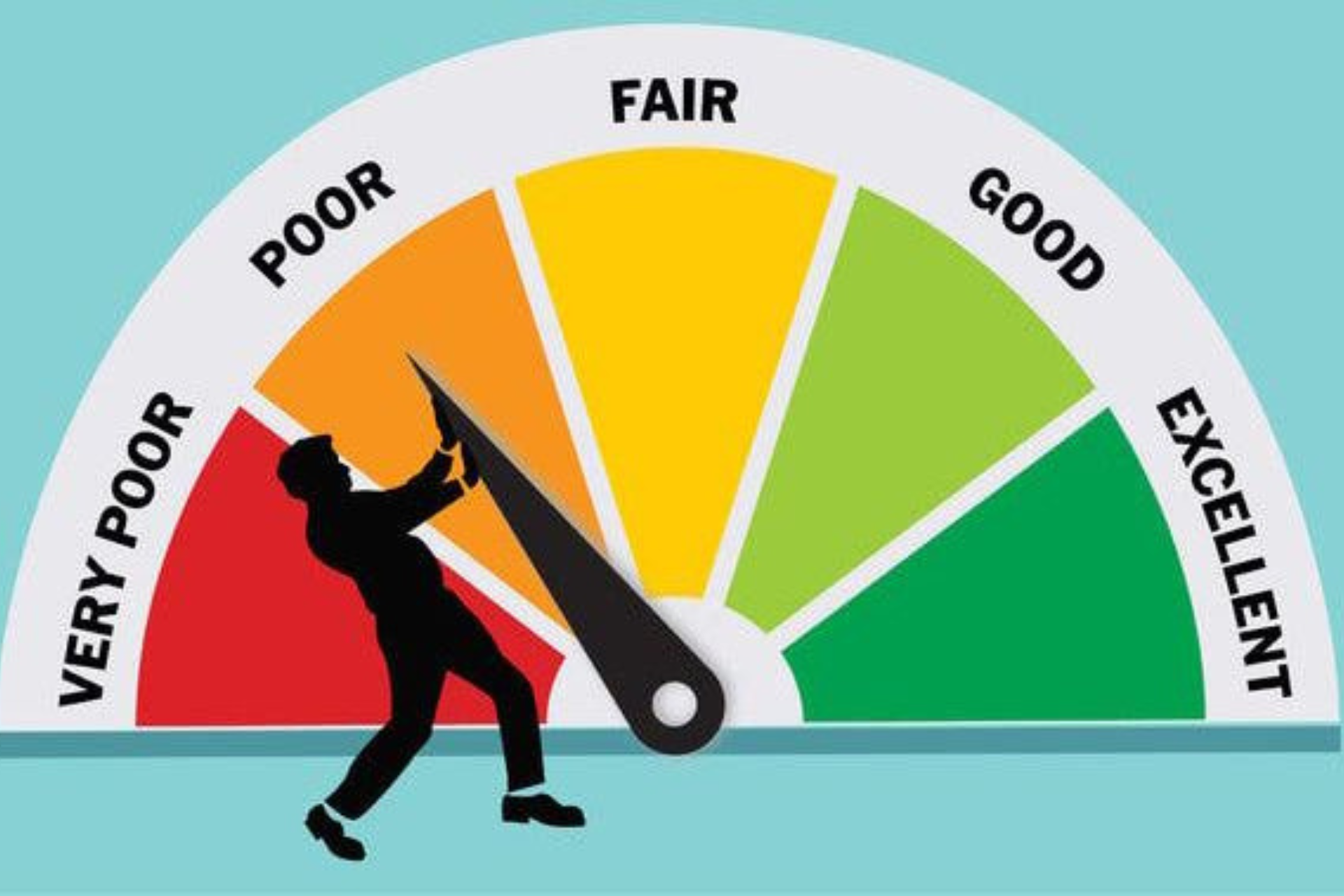
Credit Score Ranges
| Score Range | Rating | Meaning |
|---|---|---|
| 750 - 900 | Excellent | High approval chances with better interest rates |
| 700 - 749 | Good | Most lenders consider this safe |
| 650 - 699 | Average | Loans possible but with stricter conditions |
| 550 - 649 | Low | Higher interest rates likely |
| Below 550 | Poor | Difficult to get approved |
A score above 750 is usually considered ideal for home loans, personal loans, and credit cards.
Why Your Credit Score Matters
Your credit score impacts more than just loan approvals. It shapes your entire borrowing experience.
Benefits of a Good Credit Score
- Faster loan approvals
- Lower interest rates
- Higher credit card limits
- Better negotiation power with lenders
- Easier approval for home and car loans
- Access to premium financial products
A good score acts like a VIP fast lane in the banking universe 🚀
How Credit Scores Are Calculated
Financial institutions calculate your score based on several factors.
1. Payment History
Paying EMIs and credit card bills on time has the biggest impact on your score.
Late payments create red flags for lenders.
2. Credit Utilization
This refers to how much credit you use compared to your total credit limit.
Example:
- Credit Limit: ₹1,00,000
- Used Amount: ₹30,000
Credit utilization = 30%
Experts recommend keeping it below 30%.
3. Credit History Length
Older credit accounts help build trust because they show long-term financial behavior.
4. Credit Mix
A healthy mix of loans and credit cards improves your profile.
Examples include:
- Home loans
- Car loans
- Personal loans
- Credit cards
5. Multiple Loan Applications
Applying for too many loans within a short period can reduce your score because lenders may see it as financial stress.
Common Borrowing Mistakes That Damage Credit Scores
Many people unknowingly hurt their scores through small habits that snowball over time.
Missing EMI Deadlines
Even one missed payment can affect your score significantly.
Maxing Out Credit Cards
Using almost all available credit signals risky financial behavior.
Closing Old Credit Cards
Old cards increase the age of your credit history. Closing them may reduce your score.
Taking Too Many Personal Loans
Frequent borrowing creates a risky profile in the eyes of lenders.
Smart Borrowing Tips
Borrowing is not bad. Smart borrowing builds financial growth.
Borrow Only What You Need
A loan should support your goals, not become a financial burden.
Compare Interest Rates
Different banks offer different rates. Even a small difference can save thousands over time.
Maintain an Emergency Fund
Unexpected expenses should not force you into debt traps.
Use Credit Cards Wisely
Think of credit cards as financial tools, not free money.
How to Improve Your Credit Score
Improving your score takes consistency, not magic.
Practical Steps
- Pay bills before due dates
- Keep credit utilization low
- Avoid unnecessary loans
- Monitor your credit report regularly
- Correct errors in your credit history
- Maintain old credit accounts responsibly
Over time, these habits strengthen your financial credibility.
Credit Score and Home Loans
When applying for a home loan, your credit score becomes extremely important.
A higher score can help you:
- Get lower interest rates
- Reduce monthly EMIs
- Increase loan eligibility
- Secure faster approvals
For first-time home buyers, a healthy credit profile can save lakhs of rupees over the loan tenure.